
Leading Tree Removal Products For Professional and DIY Projects
Explore essential tools and gear that help you handle tree removal tasks with precision, safety, and confidence in any setting.
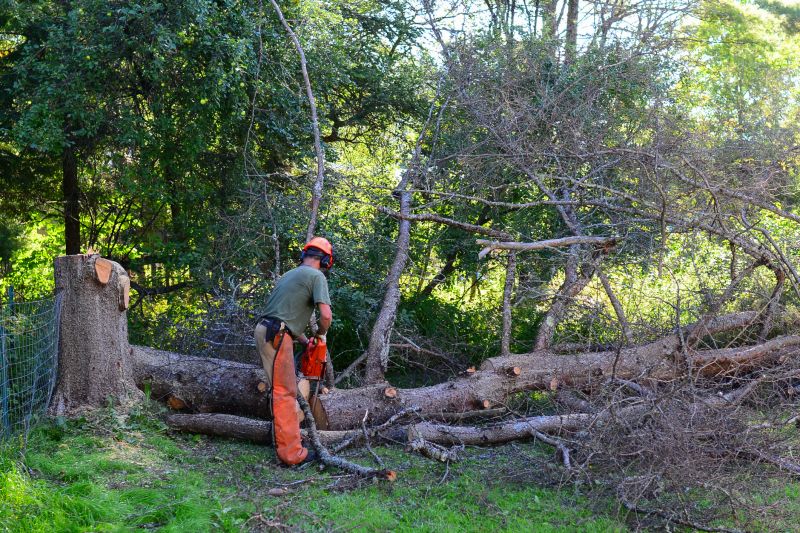 Tree removal is a task that often requires specialized equipment and careful planning to ensure safety and efficiency. Whether dealing with hazardous branches, fallen trees, or clearing space for new construction, having the right tools can make a significant difference. From manual tools to powered equipment, there are numerous options available to suit different needs and skill levels. Proper selection involves understanding the scope of the job, the size of the trees, and the environment in which the work will take place.
Top Overall Option
Cordless Battery-Powered Chainsaw
A versatile and portable tool that offers the convenience of cordless operation with sufficient power to handle medium-sized tree removal tasks. Its lightweight design and adjustable features make it suitable for various users, providing a balance of performance and ease of use. Ideal for homeowners and DIY enthusiasts, it allows for quick cuts without the hassle of cords or fuel mixing.
Types of Products For Tree Removals
Manual Pruning Saws
Hand-held saws designed for precise cuts and trimming smaller branches, suitable for detailed work and small-scale removals.
Chainsaws
Power tools equipped with chains for cutting through thick trunks and large branches efficiently, available in corded and cordless models.
Pole Saws
Extendable tools that allow users to reach high branches without climbing, ideal for pruning and light removal tasks.
Wedges and Felling Devices
Tools used to control the direction of falling trees and to assist in safely bringing down large trunks.
Ropes and Harnesses
Safety equipment to secure and control tree movements during cutting, especially in complex or hazardous situations.
Hand Pruners and Loppers
Smaller cutting tools for trimming and removing smaller branches and limbs with precision.
Log Splitters
Machines designed to split large fallen trunks into manageable firewood-sized pieces, useful post-removal.
Stump Grinders
Equipment used to grind down remaining stumps after tree removal, facilitating landscaping or replanting.
Aerial Lifts and Cherry Pickers
Elevated platforms that provide safe access to high branches for pruning or removal in larger trees.
Safety Helmets and Protective Gear
Essential safety equipment to protect against falling debris and accidental cuts during removal projects.
Chainsaw Accessories
Additional blades, chains, and safety features to enhance chainsaw performance and safety.
Tree Climbing Gear
Harnesses, spikes, and ropes designed for professional arborists to safely ascend and work on trees.
Popular Choices
Wireless chainsaws offering mobility and convenience for various removal tasks, trending among homeowners.
Lightweight, telescoping tools that enable reaching high branches without ladders, popular for yard maintenance.
Compact and easy-to-use saws suitable for small pruning jobs and quick branch removal.
Powerful models designed for larger trees and more demanding removal projects, frequently chosen by professionals.
Durable wedges used to direct the fall of a tree, commonly used in professional and serious DIY projects.
Protective headgear with added face shields for enhanced safety during tree cutting operations.
Tools for controlling and guiding falling branches or trunks, trending for complex removals.
Equipment designed for efficient stump grinding and removal, popular after tree felling.
Motorized lifts that provide safe access to high branches, increasingly used in professional settings.
Complete safety packages including gloves, chaps, and helmets, favored for comprehensive protection.
Ergonomic tools for quick trimming, trending among homeowners for yard maintenance.
Safety is paramount when undertaking tree removal projects. Using appropriate protective gear such as gloves, helmets, and eye protection is essential, especially when operating power tools or handling large branches. Additionally, understanding the proper techniques for cutting and falling trees can prevent accidents and property damage. For larger or more complex removals, consulting with or hiring professional arborists might be advisable, but for smaller jobs or DIY enthusiasts, the right equipment can facilitate a safe and effective process.
Tools designed for tree removal range from hand-held pruning saws and loppers to heavy-duty chainsaws and pole saws. For those working in confined spaces or with limited mobility, lightweight and ergonomic tools are preferable. Conversely, for extensive removal projects, more powerful and durable equipment may be necessary to handle thicker trunks and larger branches. Accessories such as wedges, ropes, and harnesses can also assist in controlling the direction of falling limbs and ensuring safety during the operation.
Choosing the right products involves considering not only the type of equipment but also their features, ease of use, and compatibility with your specific removal tasks. Proper maintenance and understanding of each tool’s capabilities can extend their lifespan and improve overall safety. Investing in quality equipment tailored to your needs can help make tree removal projects more manageable and less risky, whether for residential yard work or larger landscaping efforts.
Key Buying Considerations
- Assess the size and type of trees you need to remove to select appropriate equipment.
- Consider whether a manual or powered tool best suits your skill level and project scope.
- Evaluate safety features and protective gear necessary for secure operation.
- Check the weight and ergonomics of tools for comfortable handling, especially for extended use.
- Determine if additional accessories like wedges, ropes, or harnesses are needed for your tasks.
- Review maintenance requirements and durability of the equipment to ensure longevity.
- Decide between corded and cordless power sources based on mobility needs and power demands.
- Ensure the availability of replacement parts and support from the manufacturer or seller.
- Consider storage space and ease of transport for larger equipment.
- Factor in your local regulations or guidelines related to tree removal and safety standards.
- Evaluate user reviews and ratings to gauge real-world performance and reliability.
- Set a budget that aligns with the scope of your projects and the quality of tools purchased.
- Think about future needs for tree maintenance or landscape projects when choosing equipment.
- Consult with professionals if dealing with large, complex, or hazardous tree removal jobs.
This page contains affiliate links. We may earn a commission if you make a purchase through these links, at no additional cost to you.